


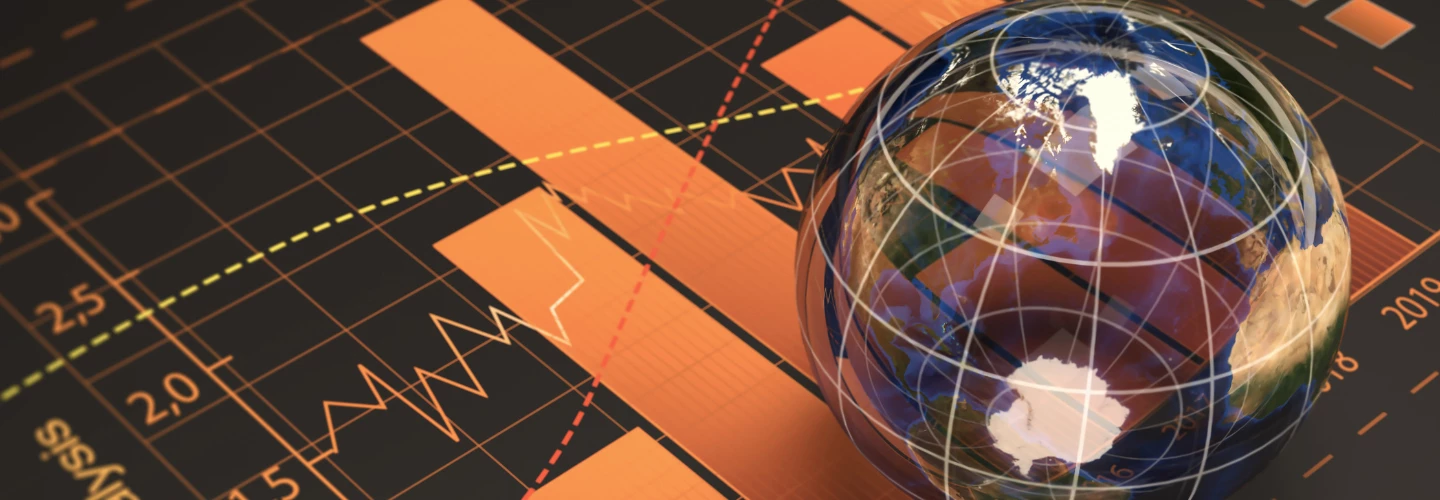
The economy is the lifeblood of any society, a complex and ever-changing system that shapes the way individuals live, businesses operate, and nations interact. It is a vast network of interdependent markets, institutions, and policies that collectively determine the distribution of resources and wealth. But beyond its technical definitions, the economy represents something deeper—an ongoing, dynamic process of creation, exchange, and evolution that impacts nearly every aspect of human life. Whether it’s the goods and services we consume, the jobs we hold, or the policies that govern our lives, the economy is the framework that supports and sustains society. This article will explore the various facets of the economy, its underlying forces, and the challenges it faces in the modern era.
The Basics: What is the Economy?
In its simplest form, the economy refers to the system by which goods and services are produced, distributed, and consumed. It encompasses everything from individual transactions—such as buying a loaf of bread or purchasing a car—to large-scale systems of production, investment, and international trade. Economists typically break the economy down into two broad categories: the microeconomy and the macroeconomy.
Microeconomics focuses on the behavior of individual agents—households, firms, and industries—and the choices they make within the marketplace. This includes examining how prices are determined, how consumers allocate their resources, and how businesses decide on production methods.
Macroeconomics, on the other hand, looks at the economy as a whole. It deals with aggregate indicators such as gross domestic product (GDP), inflation, unemployment, and fiscal and monetary policies. It also studies larger economic phenomena like economic growth, recessions, and the role of government and central banks in managing national economies.
Economies operate through various mechanisms that regulate supply and demand, influence consumer behavior, and control the distribution of wealth. Central to these operations are financial markets, labor markets, and government policies, which together form the backbone of economic activity.
The Pillars of Economic Growth
Economic growth is the engine that powers prosperity. At its core, it is about increasing the production of goods and services, which leads to higher standards of living, greater job opportunities, and more wealth creation. Several key factors contribute to economic growth:
-
Capital Investment: This includes investments in physical capital—such as factories, machinery, infrastructure, and technology—as well as human capital, which refers to the skills and knowledge of the workforce. Investment in education, training, and health can enhance productivity, leading to higher economic output.
-
Technological Innovation: Technology is a driving force behind economic growth, enabling firms to produce more with less. Innovations in information technology, artificial intelligence, biotechnology, and renewable energy are revolutionizing industries and opening new avenues for economic expansion. Companies and countries that lead in technological development often have a competitive advantage in global markets.
-
Labor Force Expansion: A growing population and an expanding workforce can lead to greater economic activity. This is especially true in emerging economies, where the combination of a youthful, dynamic workforce and expanding industrialization can significantly boost productivity.
-
Trade and Globalization: Global trade has allowed countries to specialize in the production of goods and services in which they have a comparative advantage, leading to more efficient resource allocation and increased wealth. Through trade, nations exchange goods, services, and ideas, which accelerates economic growth and promotes international cooperation.
-
Stable Institutions and Governance: A stable political environment and effective institutions are critical for fostering long-term economic growth. Transparent regulations, strong legal frameworks, and sound fiscal and monetary policies provide the certainty and confidence businesses need to invest, innovate, and expand.
The Interplay of Supply and Demand
At the heart of any economy lies the principle of supply and demand, which dictates the allocation of resources. When demand for a product or service increases, prices tend to rise, signaling producers to increase supply to meet the higher demand. Conversely, when demand wanes, prices fall, leading to reduced production.
However, the relationship between supply and demand is not always straightforward. Government interventions, such as price controls or subsidies, can distort market outcomes. Additionally, external factors like geopolitical events, climate change, or pandemics can cause disruptions to supply chains, affecting the availability of goods and services.
For example, the COVID-19 pandemic exposed vulnerabilities in global supply chains, leading to shortages of essential goods like medical supplies, food, and electronics. In response, many economies have begun to rethink their reliance on global supply networks and are considering the benefits of reshoring or diversifying production.
Economic Inequality and Its Impacts
One of the most pressing challenges in modern economies is the growing gap between the rich and the poor. Economic inequality has risen in many developed and developing nations, with a disproportionate share of wealth being concentrated in the hands of a few. This phenomenon is often exacerbated by globalization and technological change, which tend to reward highly skilled workers and capital owners, while leaving others behind.
Economic inequality has far-reaching social and political consequences. It can undermine social cohesion, erode trust in institutions, and create political instability. Moreover, it can hinder economic growth by limiting access to education, healthcare, and opportunities for upward mobility, thus preventing large segments of the population from reaching their full potential.
Addressing economic inequality requires a multifaceted approach, including progressive taxation, improved access to education, and targeted social safety nets. Many economists argue that reducing inequality can lead to more sustainable and inclusive growth by ensuring that a larger portion of the population shares in the benefits of economic prosperity.
The Role of Government in the Economy
Governments play a crucial role in shaping the economic environment through fiscal and monetary policies, regulation, and international trade agreements. Fiscal policy, which involves government spending and taxation, is used to influence economic activity. During periods of economic downturn, governments may increase spending to stimulate demand, while raising taxes during periods of economic expansion to prevent overheating.
Monetary policy, controlled by central banks, involves managing the money supply and interest rates to influence inflation, unemployment, and economic growth. Lower interest rates can encourage borrowing and investment, while higher rates can help control inflation by discouraging excessive spending.
Additionally, governments regulate industries to ensure fair competition, consumer protection, and environmental sustainability. However, the role of government in the economy is a subject of debate. Some advocate for a more hands-off, free-market approach, arguing that less regulation fosters innovation and growth. Others believe that more active government intervention is necessary to address market failures, protect the environment, and ensure social welfare.
Challenges Facing Modern Economies
Despite the significant progress made in recent decades, modern economies face numerous challenges. Climate change, for example, poses a long-term threat to economic stability, as rising temperatures and extreme weather events disrupt production, supply chains, and agricultural output. Transitioning to a green economy—one that minimizes environmental impact while promoting growth—will require substantial investments in clean energy, sustainable practices, and innovation.
Another challenge is the increasing automation of jobs. As technology advances, many traditional jobs, particularly in manufacturing and low-skilled service sectors, are being replaced by machines or artificial intelligence. While automation has the potential to improve efficiency, it also raises concerns about unemployment, job displacement, and the need for re-skilling and reskilling workers.
Furthermore, the rise of digital currencies, like Bitcoin, and the expansion of fintech present both opportunities and challenges for the global financial system. While these innovations offer greater financial inclusion and efficiency, they also raise concerns about security, regulation, and the potential for financial instability.
The Future of the Economy
The future of the global economy is shaped by several powerful forces, including technological advancement, demographic shifts, environmental challenges, and geopolitical dynamics. As economies continue to become more interconnected, the ability to adapt to these changes will determine long-term success.
Emerging technologies, from artificial intelligence to renewable energy, will continue to transform industries, creating new opportunities while also disrupting existing ones. The rise of the “sharing economy” and digital platforms will redefine work and commerce, while sustainable development practices will become increasingly essential in maintaining the balance between economic growth and environmental stewardship.
At the same time, addressing global challenges such as inequality, climate change, and economic instability will require international cooperation, visionary leadership, and inclusive policies that prioritize the well-being of all people, not just the privileged few. In this rapidly changing world, the economy is not merely a passive backdrop; it is a reflection of our collective aspirations and values.
Conclusion
The economy is more than just a system of exchange and production—it is the pulse of human civilization, an ever-evolving force that shapes societies, influences cultures, and determines the quality of life for billions of people. As we move further into the 21st century, it will be critical to understand the complex forces that drive economic growth and the challenges that lie ahead. By embracing innovation, sustainability, and inclusivity, we can foster economies that benefit all members of society, creating a more prosperous, stable, and resilient world for future generations.






Comments are closed