


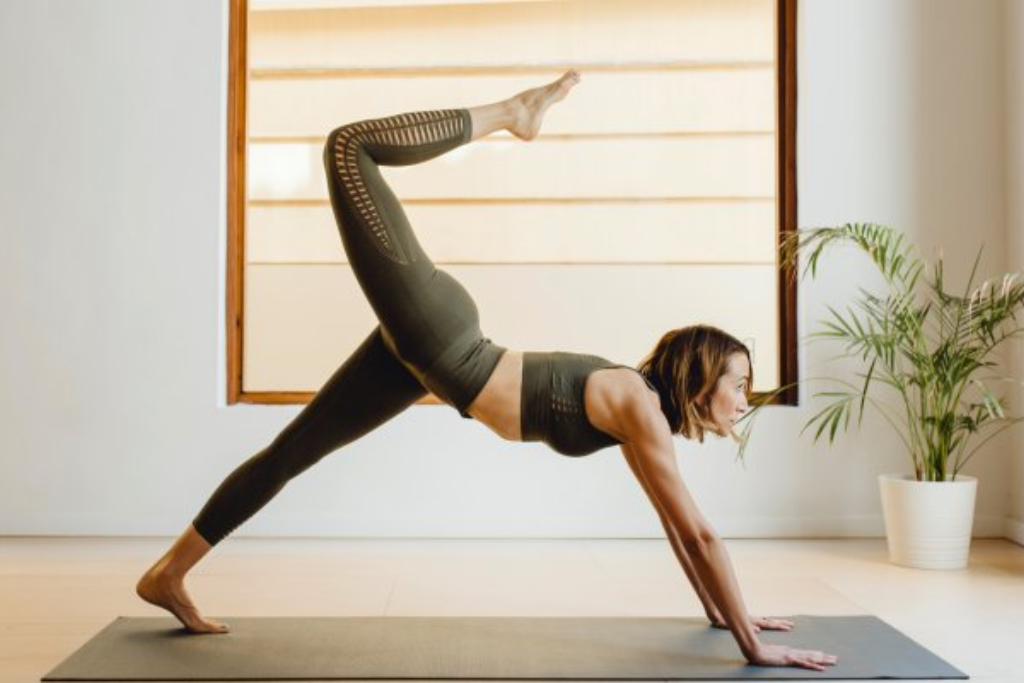
Workplace wellness is no longer a luxury; it’s a necessity for sustaining productivity and mental clarity in today’s demanding corporate environment. In Singapore, where business culture thrives on precision and long hours, burnout and fatigue have become common concerns. To counter these challenges, companies are now adopting holistic wellness solutions that go beyond gym memberships or occasional retreats. One powerful approach gaining momentum is vinyasa yoga — a practice that combines physical flow, mindful breathing, and mental grounding, perfectly suited for corporate teams seeking balance and resilience.
The Shift from Wellness Perks to Wellness Strategy
The corporate world is undergoing a shift. What was once viewed as a wellness “perk” has now evolved into a strategic business priority. Companies have recognised that stress, absenteeism, and disengagement directly affect their bottom line. Corporate wellness programmes focusing only on physical fitness or diet are being replaced by more integrated approaches that target mental, emotional, and physical health together.
Vinyasa yoga fits seamlessly into this evolution. Its dynamic sequences help release tension from sitting long hours at desks, while its breathing techniques calm overactive minds. Unlike more static fitness routines, vinyasa trains employees to regulate their energy throughout the day — building both focus and endurance for demanding work environments.
Why Vinyasa Yoga Aligns with Corporate Culture
Corporate professionals often seek efficiency, results, and adaptability — the same qualities that define vinyasa yoga. The continuous movement from one pose to another mirrors the constant transitions and problem-solving that happen in a workday.
Here’s why it aligns so well with business needs:
-
Time Efficiency: Sessions can be condensed into 30–45 minutes without losing effectiveness, making them ideal for lunch-hour or after-work schedules.
-
Mental Clarity: Breath awareness techniques improve focus and reduce cognitive fatigue, enhancing decision-making skills.
-
Physical Health: Regular practice corrects postural issues caused by long hours at computers and prevents back or neck pain.
-
Team Cohesion: Group classes foster shared energy, improving morale and communication.
Vinyasa yoga doesn’t just address physical strain; it creates a ripple effect of mindfulness that influences how teams approach challenges and collaborate.
The Physiology of Flow and Focus
When employees engage in vinyasa sessions, their breathing synchronises with movement, naturally activating the parasympathetic nervous system. This shift reduces cortisol levels — the body’s primary stress hormone — leading to calmness and sharper concentration. Over time, this neurochemical balance enhances productivity and emotional intelligence, both key assets in leadership and teamwork.
Additionally, the practice enhances oxygen flow to the brain and muscles, increasing alertness. Many participants report improved problem-solving abilities and reduced midday fatigue after regular sessions. This makes vinyasa not just a physical exercise but a cognitive performance enhancer.
Designing a Corporate Vinyasa Programme
A successful corporate wellness programme must fit the unique rhythm of the workplace. Implementing vinyasa yoga can begin with a few key steps:
1. Assess Team Needs:
Survey employees about stress levels, posture issues, or burnout signs. Understanding these factors helps customise class intensity and timing.
2. Start Small:
Begin with short weekly sessions during lunch or just after work hours. The goal is to make participation accessible and consistent.
3. Create a Welcoming Environment:
Use a quiet meeting room or studio space with minimal distractions. Provide mats, soft lighting, and calming music to encourage participation.
4. Engage Qualified Instructors:
Certified instructors ensure that classes cater to varying fitness levels and workplace conditions. They can modify postures for employees with limited flexibility or mobility concerns.
5. Integrate Wellness Education:
Beyond the mat, instructors can teach breathing exercises and mindfulness techniques that employees can use during stressful meetings or before presentations.
When structured effectively, vinyasa yoga sessions become more than just midweek relief — they become an investment in human capital and company culture.
The Measurable ROI of Mindful Movement
Unlike one-off wellness workshops, ongoing yoga sessions create measurable returns. Companies that implement regular vinyasa programmes often report:
-
Lower absenteeism and improved employee retention.
-
Increased focus and performance under pressure.
-
Higher morale and engagement in collaborative projects.
-
Reduced health-related costs from musculoskeletal issues or chronic stress.
To quantify impact, businesses can track simple metrics such as participation rates, employee feedback, and stress-level self-assessments. Over time, improved productivity and morale translate into tangible financial benefits.
Case Example: A Corporate Team in Singapore
Consider a mid-sized marketing firm in Singapore that introduced weekly vinyasa yoga classes for its employees. The sessions, guided by a certified instructor, focused on breath control and posture correction for those working extended hours at desks. Within three months, HR reported fewer complaints of back pain and fatigue. Team leaders noticed better focus during long brainstorming sessions. Employees also shared that the breathing techniques helped them remain calm during client presentations.
This example illustrates how a small change in workplace routine can have significant cumulative effects — both on individual wellness and organisational harmony.
Overcoming Common Barriers
Despite its benefits, some organisations hesitate to introduce yoga programmes due to misconceptions. Addressing these concerns is essential for success.
-
“We don’t have space.”
Even small meeting rooms can accommodate modified vinyasa sessions using standing and seated flows. No large studio is required. -
“Employees might not participate.”
Framing classes as part of professional development or stress management increases interest. Offering optional sessions builds trust and curiosity over time. -
“It’s too time-consuming.”
Compact 30-minute “refresh sessions” before lunch or in the late afternoon can yield noticeable results without affecting productivity.
When implemented mindfully, vinyasa yoga complements, rather than disrupts, the workflow.
The Leadership Advantage
Executives and managers who practise vinyasa yoga often report enhanced focus, emotional balance, and strategic clarity. The discipline of synchronising breath and motion mirrors effective leadership — responsive, adaptable, and calm under pressure. By embodying these traits, leaders naturally influence team culture.
Encouraging leaders to participate alongside employees also breaks hierarchical barriers, fostering an atmosphere of equality and shared growth. When wellness is modelled from the top down, it becomes a company-wide mindset rather than an isolated initiative.
Building Long-Term Wellness Culture
Corporate yoga should not be a short-term campaign but a sustained cultural shift. Integrating vinyasa yoga into annual wellness calendars, retreats, and training programmes ensures continuity. Offering hybrid participation — both in-office and online — supports flexible engagement for remote employees.
Partnering with reputable studios such as Yoga Edition provides structured support, experienced instructors, and customised programmes that align with company goals. Regular communication, progress tracking, and leadership participation can help institutionalise wellness as part of the corporate identity.
How Vinyasa Enhances Emotional Intelligence at Work
One of the lesser-discussed benefits of vinyasa yoga is its influence on emotional intelligence. The awareness cultivated through breath and body alignment teaches empathy, patience, and listening — qualities essential for teamwork. Employees learn to respond instead of react, manage emotions under stress, and communicate more mindfully.
These interpersonal improvements create ripple effects across departments. Conflicts reduce, cooperation improves, and the workplace becomes a more harmonious environment where creativity thrives.
Integrating Mindfulness Into Everyday Workflows
Even outside yoga sessions, principles of vinyasa can influence work habits. For example:
-
Practising conscious breathing before a presentation.
-
Taking 2-minute micro-breaks to stretch between meetings.
-
Using mindful posture at the desk to reduce tension.
-
Reflecting daily on how one’s energy transitions between tasks.
These micro-practices sustain the calm and focus developed during formal sessions, embedding mindfulness into the corporate rhythm.
FAQs
Q1. Is vinyasa yoga suitable for all employees, including beginners?
Yes. Vinyasa can be adapted to all fitness levels. Instructors usually provide modifications for beginners while offering advanced variations for experienced participants.
Q2. How often should a company conduct vinyasa yoga sessions?
Starting with one session per week is effective. As participation grows, adding short daily or bi-weekly sessions enhances results and helps employees build consistent habits.
Q3. What kind of space is required for a corporate yoga session?
A clean, quiet conference room or multipurpose area is sufficient. The key is providing a comfortable and distraction-free environment.
Q4. Can vinyasa yoga improve focus and creativity?
Yes. The synchronised breathing and movement patterns activate both hemispheres of the brain, enhancing focus, problem-solving, and creative thinking.
Q5. How can HR teams measure the success of yoga programmes?
Tracking employee feedback, participation rates, and reductions in stress-related leave offers quantifiable insights into programme effectiveness.
Corporate success today depends as much on mental well-being as on skill and strategy. Integrating vinyasa yoga into workplace culture builds stronger, calmer, and more connected teams. It transforms the corporate environment into one where flow, focus, and mindfulness become daily practices — empowering both individuals and organisations to perform with clarity, resilience, and purpose.








Comments are closed