


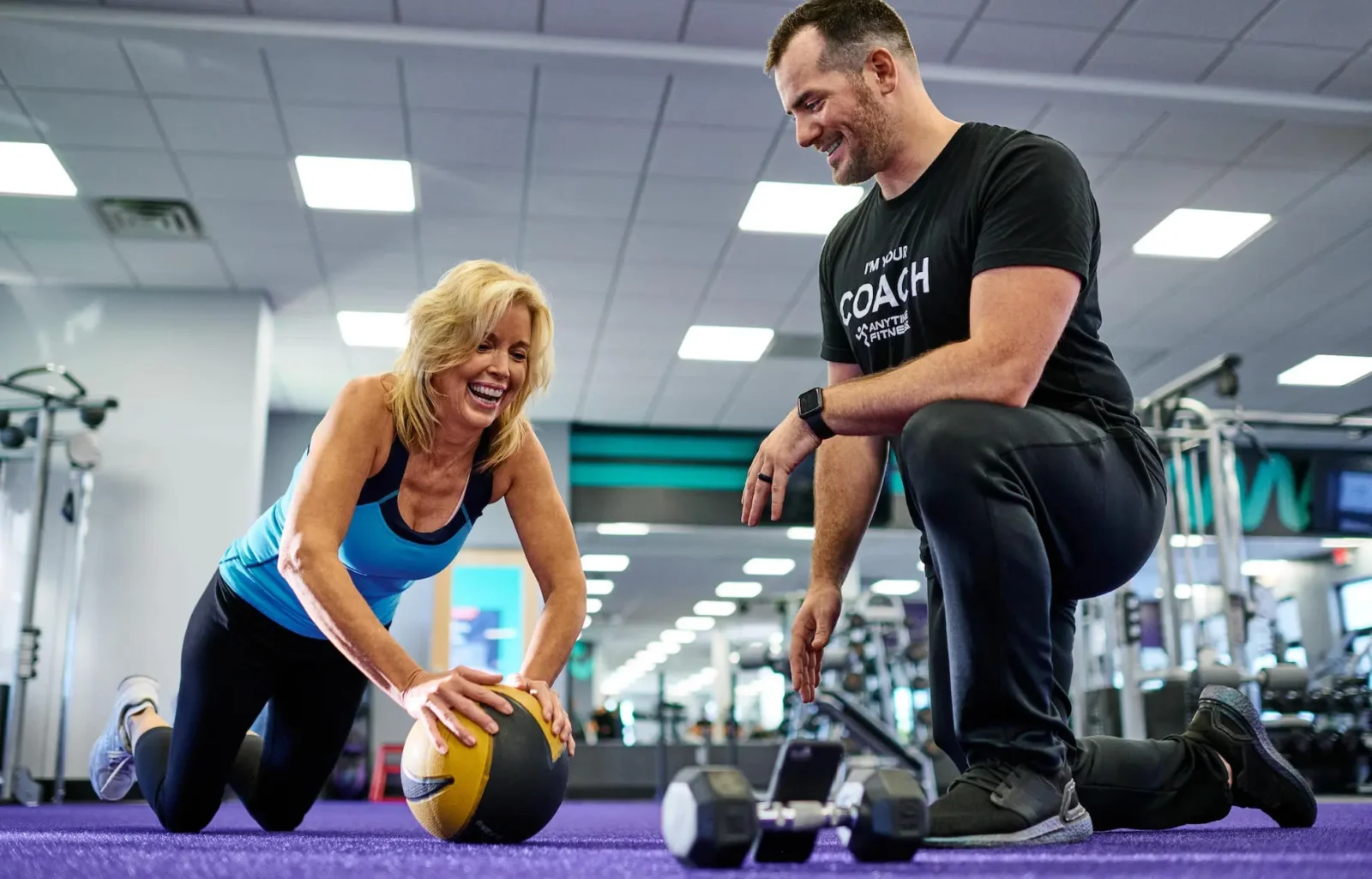
Corporate wellness in Singapore has evolved far beyond subsidised gym memberships and occasional health talks. As companies face rising healthcare costs, burnout, and declining employee engagement, business leaders are rethinking how physical wellbeing influences performance. The focus has shifted from reactive healthcare to proactive health optimisation.
One of the most effective developments in this space is the integration of personal training singapore into corporate wellness strategies. Rather than offering generic fitness perks, organisations are investing in structured, personalised training that directly supports employee energy, focus, resilience, and long-term productivity.
This shift reflects a deeper understanding that physical health is not separate from business outcomes. It is a foundational driver of sustainable performance.
Why Traditional Corporate Wellness Programmes Often Fall Short
Low Engagement and Poor Adherence
Many corporate wellness initiatives struggle with low participation. Generic fitness classes or unsupervised gym access often appeal only to employees who are already active. Those who need support the most may feel intimidated or uncertain about where to start.
Without personalisation, employees quickly disengage, limiting the return on investment for employers.
One Size Does Not Fit All
Workforces in Singapore are diverse, spanning different age groups, job demands, and health profiles. A standard wellness programme rarely accommodates this variety.
Personal training addresses this challenge by tailoring programmes to individual needs, ensuring relevance and inclusivity across departments and seniority levels.
How Personal Training Aligns With Business Objectives
Improving Cognitive Performance Through Physical Conditioning
Physical training has a direct impact on cognitive function. Strength and movement-based training improves blood flow, oxygen delivery, and neurochemical balance, all of which enhance mental clarity and decision-making.
Employees who engage in structured personal training often experience:
-
Improved concentration during long work hours
-
Faster recovery from mental fatigue
-
Greater emotional regulation under pressure
These benefits translate into higher quality output and reduced errors.
Reducing Absenteeism and Presenteeism
Musculoskeletal pain, stress-related illness, and chronic fatigue are leading causes of absenteeism in Singapore workplaces. Presenteeism, where employees are physically present but underperforming, is an even greater hidden cost.
Personal training programmes help reduce these issues by:
-
Addressing posture-related pain from desk work
-
Improving physical resilience
-
Supporting stress management through movement
Healthier employees require fewer sick days and perform more consistently.
Personal Training as a Preventive Health Strategy
Addressing Sedentary Work Risks
Prolonged sitting is a major risk factor for back pain, neck stiffness, and metabolic dysfunction. Personal training counters these effects through targeted exercises that strengthen postural muscles and improve mobility.
Employees learn how to move better during daily activities, reducing the cumulative strain caused by sedentary work.
Supporting Long Term Workforce Sustainability
An ageing workforce presents challenges for many Singapore organisations. Personal training helps older employees maintain strength, balance, and confidence, enabling them to remain productive and engaged longer.
This supports workforce continuity and reduces turnover costs.
Customising Personal Training for Corporate Environments
Flexible Scheduling for Busy Professionals
One of the strengths of personal training is its adaptability. Sessions can be scheduled before work, during lunch breaks, or after office hours, minimising disruption to productivity.
Programmes are often structured around realistic time commitments, making consistency achievable even for senior executives.
On Site and Hybrid Training Models
Some organisations offer on-site training facilities, while others partner with established fitness centres. Hybrid models allow employees to train at locations that suit their schedules.
Many professionals choose to continue their training at facilities such as True Fitness Singapore, where access to professional trainers and comprehensive equipment supports long-term adherence beyond workplace initiatives.
Enhancing Company Culture Through Wellness Investment
Demonstrating Commitment to Employee Wellbeing
When organisations invest in personalised health solutions, it sends a strong message that employee wellbeing is valued. This builds trust and strengthens employer branding.
Employees who feel supported are more likely to remain loyal and engaged.
Encouraging Cross Departmental Interaction
Wellness programmes often bring together employees from different teams and seniority levels. Personal training sessions and shared fitness goals create informal opportunities for connection, strengthening workplace relationships.
This social aspect contributes to a more cohesive organisational culture.
Measuring the Business Impact of Personal Training
Tracking Performance and Engagement Metrics
Successful corporate wellness programmes are measured using both health and business indicators, including:
-
Reduced sick leave usage
-
Improved employee engagement scores
-
Higher retention rates
-
Enhanced self-reported energy and focus
Personal training programmes lend themselves well to tracking due to their structured nature.
Long Term Return on Investment
While personalised training may require higher upfront investment than generic perks, the long-term returns are significant. Reduced healthcare costs, improved productivity, and lower turnover contribute to measurable financial benefits.
Supporting Leadership Performance and Decision Making
Senior leaders face unique stressors and performance demands. Personal training offers a structured outlet for stress management while supporting physical health.
Executives often report:
-
Better stress tolerance
-
Improved sleep quality
-
Enhanced confidence and presence
These outcomes directly influence leadership effectiveness.
Adapting Corporate Wellness to Singapore’s Business Landscape
Singapore’s competitive business environment demands sustained performance rather than short bursts of productivity. Personal training supports this by focusing on durability and resilience.
Rather than pushing employees harder, it helps them function better.
Frequently Asked Questions
Is personal training suitable for all employee fitness levels?
Yes. Programmes are customised to individual abilities, making them inclusive and accessible.
How often should employees participate in training sessions?
Two to three sessions per week are common, depending on workload and organisational goals.
Can personal training be integrated into existing wellness programmes?
Yes. It complements other initiatives such as mental health support and ergonomic assessments.
How quickly can businesses see results?
Improvements in energy and engagement are often observed within the first few months, with longer-term benefits developing over time.
Is corporate personal training cost effective?
When measured against reduced absenteeism and improved productivity, many organisations find the return on investment favourable.
Can employees continue training independently?
Yes. Many choose to continue structured training outside the workplace to maintain progress.







Comments are closed