


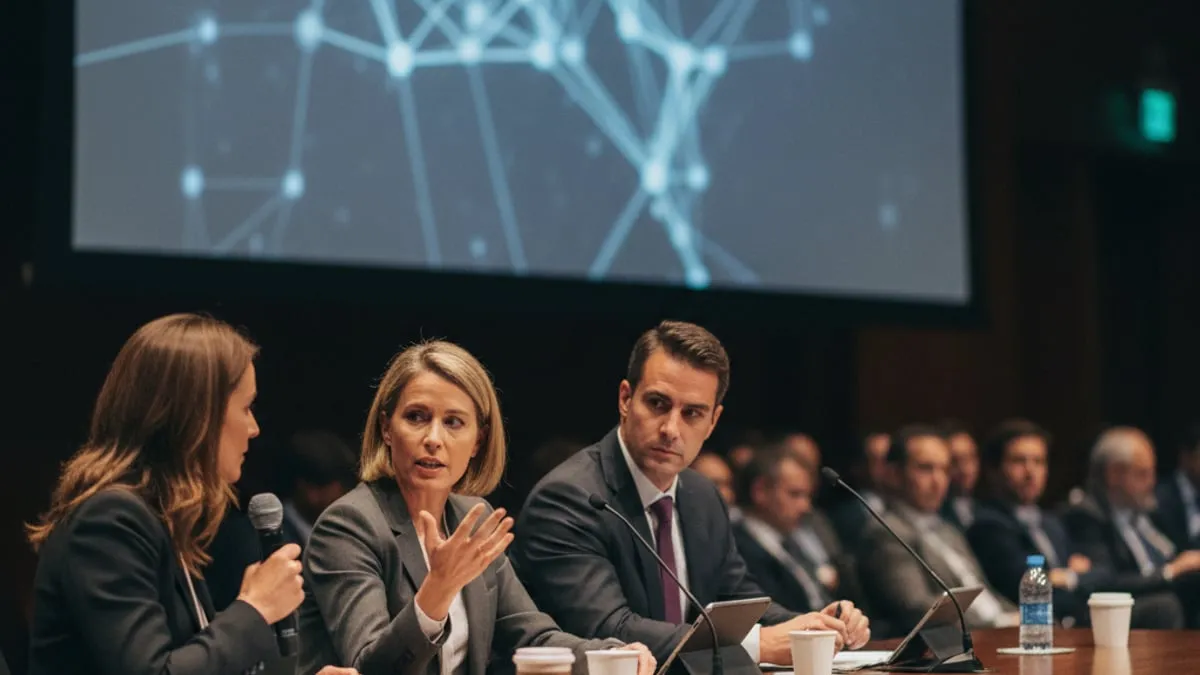
Planning an industry conference in the modern business climate requires moving far beyond the traditional model of booking a hotel ballroom and lining up speakers. Today, attendees are hyper-selective about their time. They are looking for environments that foster genuine connection, provide actionable insights, and facilitate professional growth that cannot be replicated through a webinar or a quick digital meeting. Success now hinges on meticulous strategic planning, a deep understanding of attendee psychology, and the seamless integration of technology to create a cohesive experience.
Defining the Core Value Proposition
The most critical mistake conference planners make is assuming that the industry itself is enough of a draw. To command an audience, you must define a clear, compelling value proposition that addresses a specific pain point or industry evolution. Before any logistical planning begins, you must answer why this event needs to exist right now.
Your theme should be a catalyst for conversation. Instead of broad topics like Marketing Trends or Future Tech, focus on specific challenges such as Navigating Data Privacy in a Post-Cookie World or Scaling Human-Centric Operations in an AI-Driven Economy. When the purpose is clear, every subsequent decision—from the speakers you invite to the networking exercises you design—becomes easier to align with the core mission of the event.
-
Audience Segmentation: Determine exactly who will benefit most and tailor the content to their specific experience level.
-
Problem-Solution Framework: Structure the conference agenda to identify a major industry challenge in the morning and provide collaborative solutions by the afternoon.
-
Outcome-Based Planning: Define what the attendees should be able to do or understand differently by the time they leave.
The Art of Curating Transformative Content
Content is the primary engine of your conference. However, the days of the marathon keynote presentation are fading. Audiences now crave interactive, high-energy sessions that prioritize peer-to-peer learning over passive listening. Modern content curation is about building a balanced portfolio of learning modalities.
Invite speakers who are not just experts but are also skilled facilitators. A panel discussion should not be a series of rehearsed speeches but a moderated, challenging debate that forces participants to think critically about industry norms. Furthermore, integrate smaller breakout sessions that allow for deep dives into specific sub-topics, ensuring that your senior attendees find as much value as those who are new to the field.
-
The Workshop Format: Dedicate significant time to hands-on exercises where participants apply concepts in real-time.
-
The Unconference Model: Reserve slots for participant-led topics, allowing the agenda to be shaped by the immediate interests of the attendees.
-
Story-Driven Keynotes: Focus on narratives of transformation, failure, and breakthrough, as these remain the most effective ways to hold attention and drive retention.
Designing the Attendee Experience
The physical and digital environment in which a conference takes place directly influences the quality of the interactions. Your choice of venue should support the desired atmosphere. If you want to foster intense collaboration, a sterile conference center with fixed seating will work against you. Instead, look for spaces that allow for flexible configurations, such as open-plan studios or campus-style environments.
The flow of the event must be designed to minimize friction. From the moment an attendee registers to the follow-up communication weeks later, every interaction should feel intentional. Digital platforms should be used to facilitate connections—matching attendees based on their professional interests or specific challenges—rather than just providing a static schedule of events.
Maximizing Engagement Through Technology
Technology in conference planning should be invisible but omnipresent. The goal is to use tools that remove barriers rather than creating them. A robust mobile application can act as the central nervous system of your conference, providing real-time updates, enabling direct messaging between attendees, and facilitating live polling or Q&A during sessions.
However, avoid the temptation to over-digitize. If an app adds unnecessary complexity to simple tasks like checking in or finding a room, it will frustrate your audience. Use technology to enhance the human element:
-
Smart Networking: Implement AI-driven matchmaking that suggests professional connections based on common goals.
-
Hybrid Integration: If you are running a hybrid event, ensure that the virtual experience is not an afterthought. Create dedicated facilitators for your online audience to ensure they are as engaged as those in the room.
-
Data-Driven Iteration: Use real-time feedback mechanisms to adjust the conference flow if certain sessions are underperforming or if attendees are requesting more depth on a particular topic.
Building a Community Beyond the Event
An industry conference should not be a singular event; it should be the anchor for a year-round community. If the relationship with your attendees ends when they walk out the door, you have missed a significant opportunity for brand building and sustained influence.
Develop a strategy for keeping the conversation alive after the closing remarks. This could include post-conference summary reports, exclusive deep-dive content sent to attendees, or a dedicated private channel where attendees can continue the discussions started during the breakout sessions. By positioning your conference as a recurring touchpoint in the professional lives of your audience, you transform them from one-time participants into long-term advocates.
This long-term perspective also aids in your marketing efforts. When you treat the conference as a continuous project, you can gather feedback throughout the year, identify emerging themes, and build excitement for the next gathering well in advance. It shifts the burden of marketing from a high-pressure, short-term push into a natural extension of an ongoing, value-driven conversation.
Operational Excellence and Risk Mitigation
While the creative aspects of conference planning are vital, the operational foundation must be ironclad. High-quality production, seamless catering, and efficient logistics are the baseline expectations. Any failure in these areas will distract from the content, no matter how brilliant your speakers are.
Create a detailed project management plan that accounts for the inevitable unknowns. Build contingency plans for technical malfunctions, speaker cancellations, or sudden changes in local regulations. The more prepared your team is for the unexpected, the more fluid and professional the event will feel to the attendee. Always prioritize communication; transparency with your attendees during moments of logistical difficulty can actually build trust and demonstrate your commitment to their experience.
FAQ Section
How far in advance should I start planning a large-scale industry conference?
For a mid-to-large-scale conference, you should begin the planning process at least twelve to eighteen months in advance. This timeline allows sufficient room for venue selection, speaker recruitment, marketing, and the development of high-quality content that truly moves the needle for your audience.
What is the best way to handle speaker expectations and preparation?
Treat speakers as partners rather than just talent. Provide them with a clear brief regarding the audience’s knowledge level, the desired takeaways, and the format requirements. Schedule rehearsals or at least a technical walkthrough to ensure that their presentation style aligns with your event’s engagement goals.
How can I ensure attendees from different backgrounds feel included?
Inclusivity starts with the speaker lineup and extends to the networking environment. Ensure your content covers diverse viewpoints and that your networking spaces are designed to be accessible and non-intimidating. Using facilitators to moderate group discussions can help ensure that quieter participants have an equal voice.
Should I prioritize high-profile celebrity speakers or industry-specific practitioners?
Industry-specific practitioners are generally more effective for deep-learning conferences because they offer practical, relatable insights. While a celebrity might drive ticket sales, a practitioner who can solve an attendee’s daily challenge will drive long-term brand loyalty and satisfaction.
How do I calculate a realistic budget for a conference?
Start by defining your non-negotiables—the venue, high-quality audio-visual production, and core personnel. Once those are locked, allocate the remaining funds to areas that drive direct engagement, such as food and beverage or networking activities. Always include a fifteen percent contingency fund for unplanned expenses.
How do I measure the success of an industry conference beyond attendance numbers?
Success should be measured by qualitative feedback, post-event survey data, and community growth metrics. Look for increases in social media mentions, the number of new leads generated, the volume of sign-ups for your year-round content, and the percentage of attendees who express interest in the following year’s event.
What are the most common pitfalls that ruin an otherwise great conference?
The most common issues are poor audio-visual quality, inadequate networking opportunities, and lack of downtime between sessions. When attendees feel rushed or are forced to deal with technical glitches, they quickly lose focus. Prioritize pacing and technical reliability over complex, gimmicky features.







Comments are closed